Solar for Agriculture in South Africa: How Farms Are Eliminating Diesel and Cutting Energy Costs by 60%
South African farms are replacing diesel generators with solar and battery storage, cutting energy costs by up to 60% and achieving full energy independence. Here's how it works.

Frans van Zyl
7 min read
The Farm Energy Crisis That Never Made Headlines
While load shedding dominated the national conversation, South African agriculture quietly faced its own energy crisis. Diesel costs spiralled. Irrigation pumps drew enormous power at peak tariff windows. Cold storage facilities ran on generators that consumed thousands of litres of fuel per month. And grid infrastructure in rural areas remained chronically unreliable.
The farms that solved this problem first didn't wait for Eskom. They went solar.
Why Agriculture Is the Perfect Fit for Solar BESS
Agricultural operations have energy profiles that are unusually well-matched to solar generation. Irrigation typically runs during daylight hours — exactly when solar panels produce at maximum output. Grain dryers, fruit packing lines, and dairy processing all run during the day. Cold storage benefits from pre-cooling during solar peak hours, drawing on batteries to maintain temperature overnight.
Large land holdings mean ground-mount solar arrays are not just feasible — they're often more cost-effective than rooftop installations in urban environments. Farms in the Northern Cape, Free State, Western Cape, and Limpopo enjoy some of the highest solar irradiance figures in the world, maximising yield per panel.
Ground-Mount Solar: Delivering Off-Grid Power at Scale
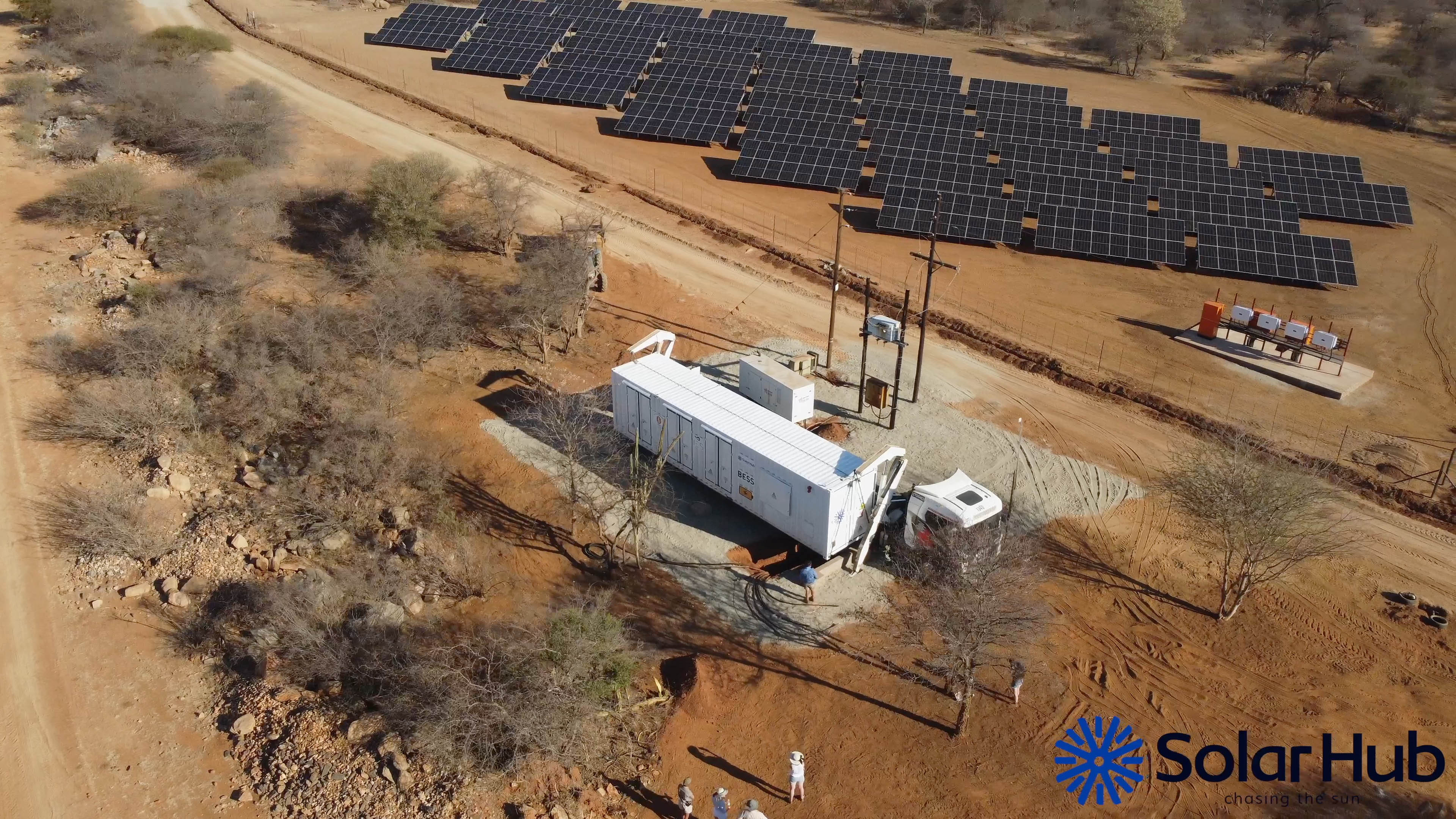
SolarHub's agricultural installations range from small-scale irrigation pump solutions to multi-megawatt ground-mount arrays powering entire farming operations. Our ground-mount systems use terrain analysis and shade modelling to optimise panel orientation, delivering maximum annual generation from every square metre of array.
Paired with a BESS, these systems provide genuine energy independence. Critical loads — cold rooms, pumps, processing equipment — remain energised even when the grid fails. Diesel generator running hours drop to near zero. Fuel budgets are freed up for core agricultural investment.
The Financial Case for Farm Solar in 2025 and Beyond
The numbers for agricultural solar have never been stronger. Battery costs have fallen dramatically — lithium-ion battery pack prices for stationary storage reached new lows in 2025, making BESS deployments commercially viable at smaller scale than ever before. Meanwhile, Eskom's retail tariffs continue to escalate, widening the gap between grid electricity costs and the levelised cost of solar generation.
SolarHub clients in the agricultural sector are achieving energy cost reductions of up to 60 percent, with return on investment typically realised within three to six years depending on energy use intensity and the financing structure chosen. For farms that previously spent R200,000 to R500,000 per month on grid electricity and diesel, the business case is transformative.
Financing Solutions for Agricultural Operations
Capital is always a consideration in agriculture, where cashflow is seasonal and investment decisions must compete with land, equipment, and infrastructure. SolarHub structures agricultural solar projects across multiple financing options:
Zero-CAPEX PPAs — pay only for energy produced, no upfront investment
Operating leases with fixed monthly payments matched to seasonal income
Rent-to-own arrangements that convert to full asset ownership over time
Direct purchase for operations with available capital seeking maximum long-term return
In every case, SolarHub manages the full process — from feasibility through to commissioning, SSEG registration, and ongoing O&M — ensuring that farms can focus on what they do best while their energy infrastructure operates autonomously in the background.
➜ Join 155+ South African businesses and farms already saving with SolarHub. Book your free farm energy assessment.