Energy Solutions
Solar solutions that work
Expert financial and technical solutions for high-return solar projects in South Africa
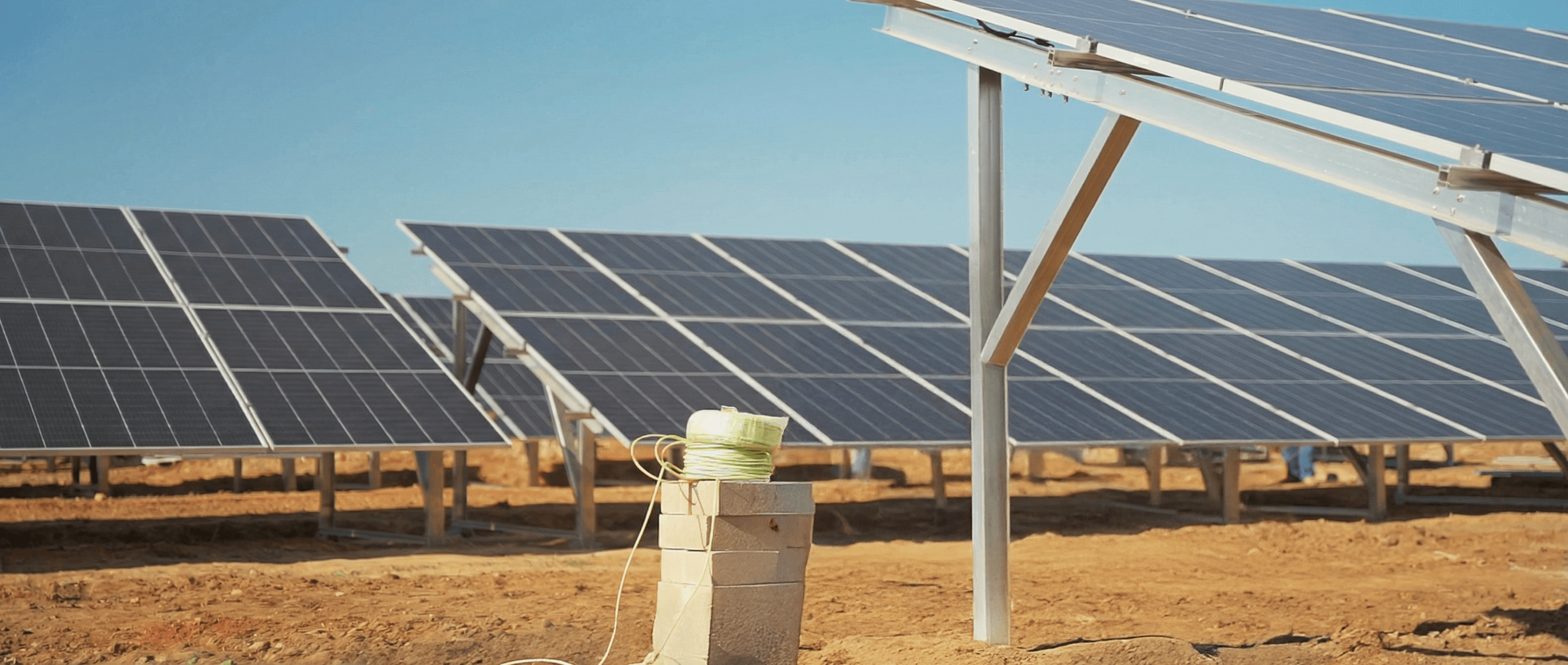
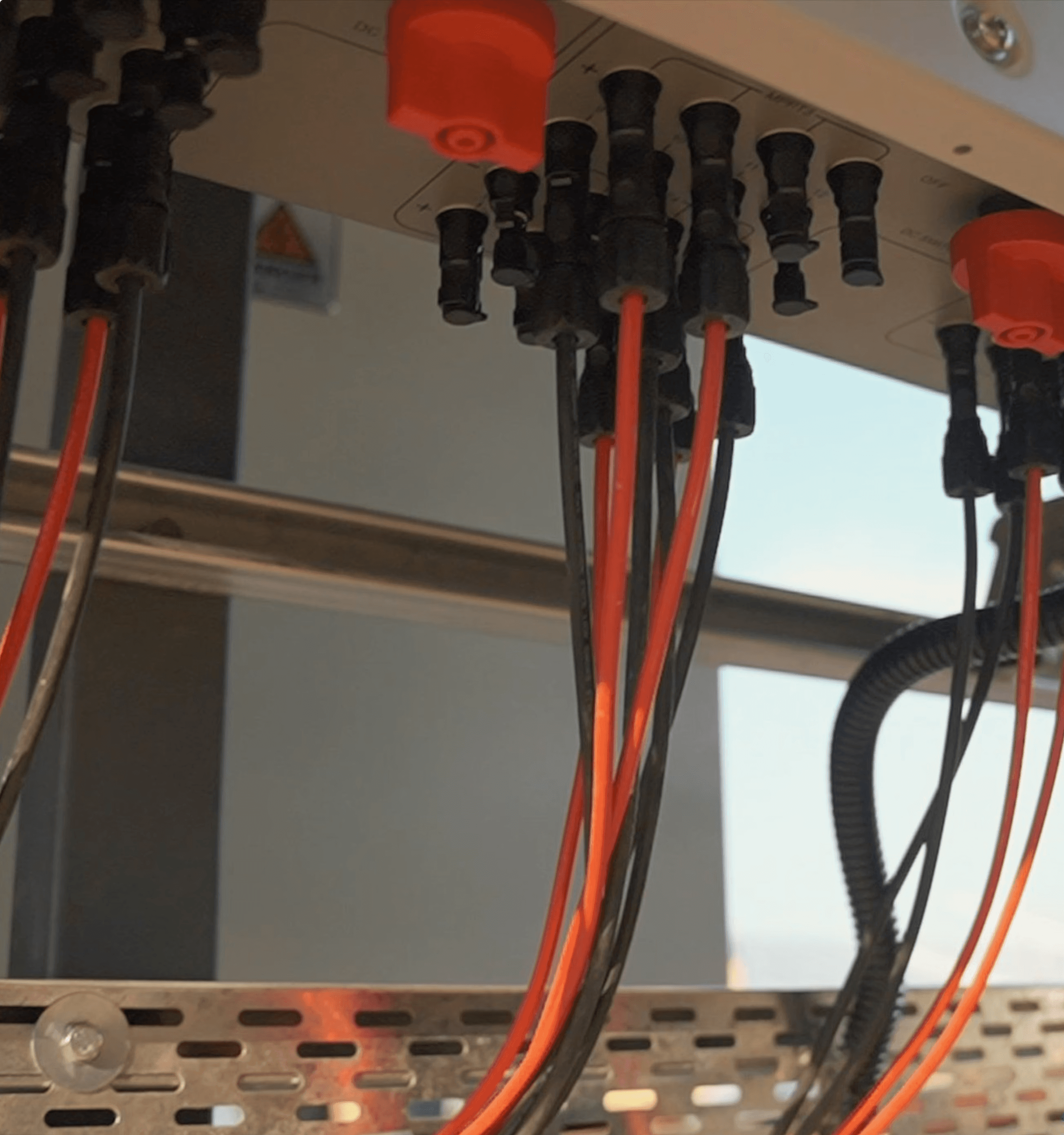
Utility-Scale On-Grid Solar Plants
The Direct Bill-Shredder
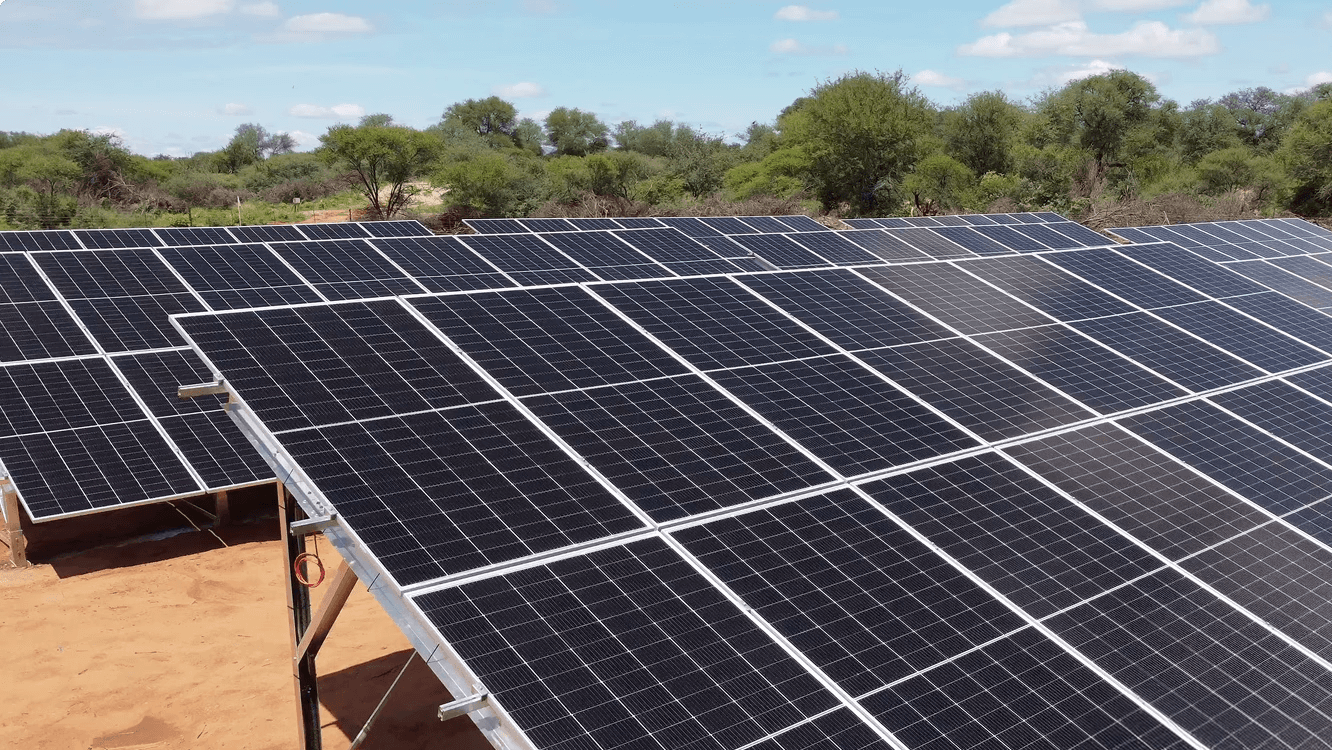
How it Works: These are SSEG (Small-Scale Embedded Generation) systems under 1MW. They synchronize with the municipal or Eskom grid. Using high-efficiency Tier-1 panels, they feed AC power directly into your DB board to offset your "Base Load.
SA Regulation: Must use NRS 097-2-1 type-tested inverters (approved by your local municipality like City Power, eThekwini, or City of Cape Town).
Operational Logic:
Daytime: The system is On. If your factory draws 200kW and the solar produces 150kW, you only pay Eskom for the 50kW difference.
Blackouts/Load Shedding: Due to Anti-Islanding safety regulations, the system switches OFF instantly to prevent back-feeding into the grid while technicians are working.
Benefit: Lowest CAPEX; zero battery costs.
Cost: R12,000 – R15,000 per kWp (Installed).
Critical Load Hybrid Backup Systems
The Load Shedding Immunity Solution
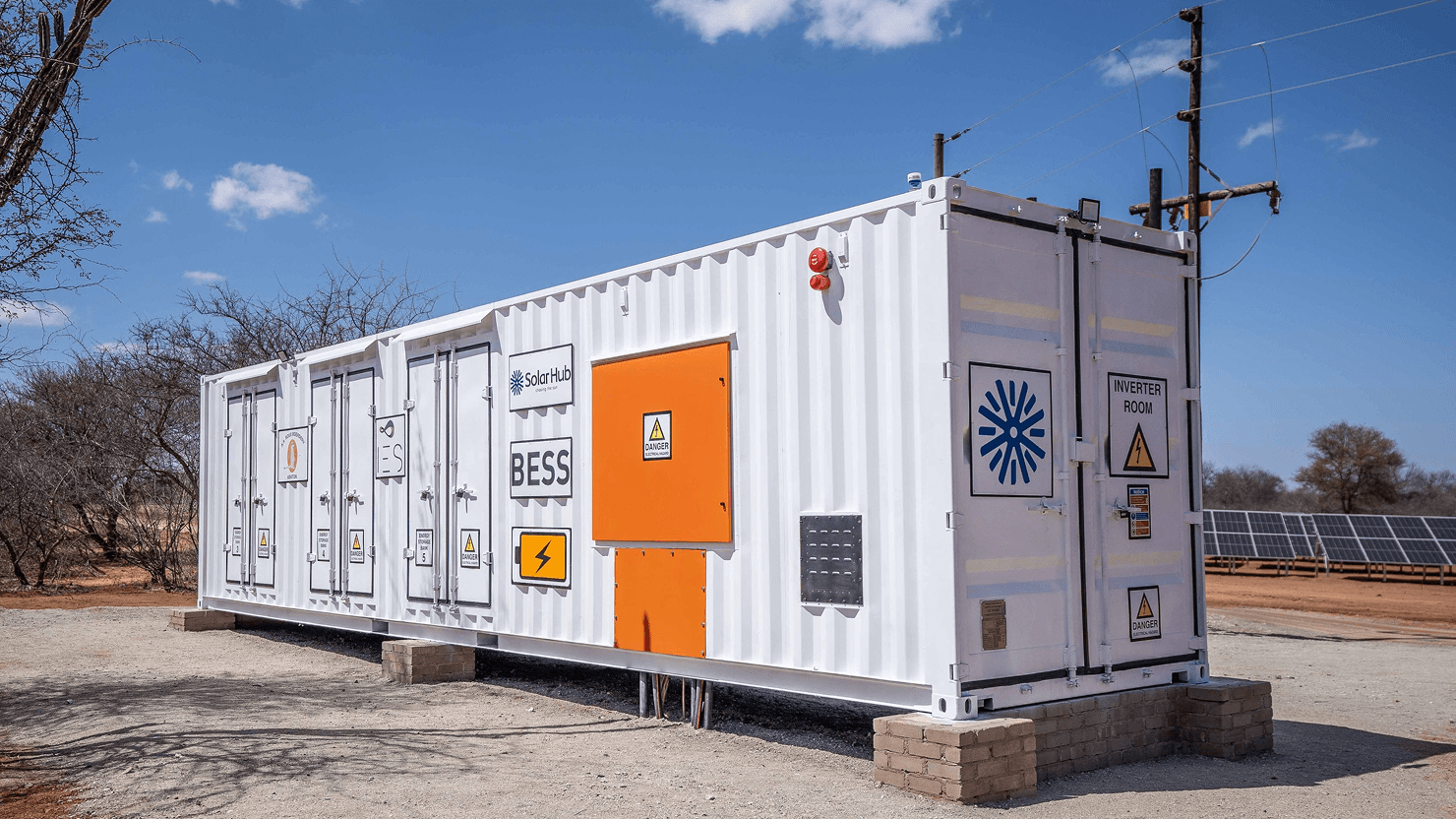
How it Works: Combines solar PV with a BESS (Battery Energy Storage System). This is the gold standard for SA businesses. It manages both energy savings and power security.
SA Regulation: Requires a SANS 10142-1-2 compliant installation and a Certificate of Compliance (CoC) that specifically details the SSEG integration.
Operational Logic:
Normal Mode: Solar powers the load and keeps batteries at 100%.
Grid Failure: In less than 20 milliseconds, the system switches to "Island Mode." Your lights and machines stay on, powered by the batteries and solar, completely isolated from the dead grid.
Benefit: Zero-flicker backup. No more "rebooting" servers or losing production hours during Stage 4-6 outages.
Cost: R25,000 – R35,000 per kWp (due to Li-ion battery costs).
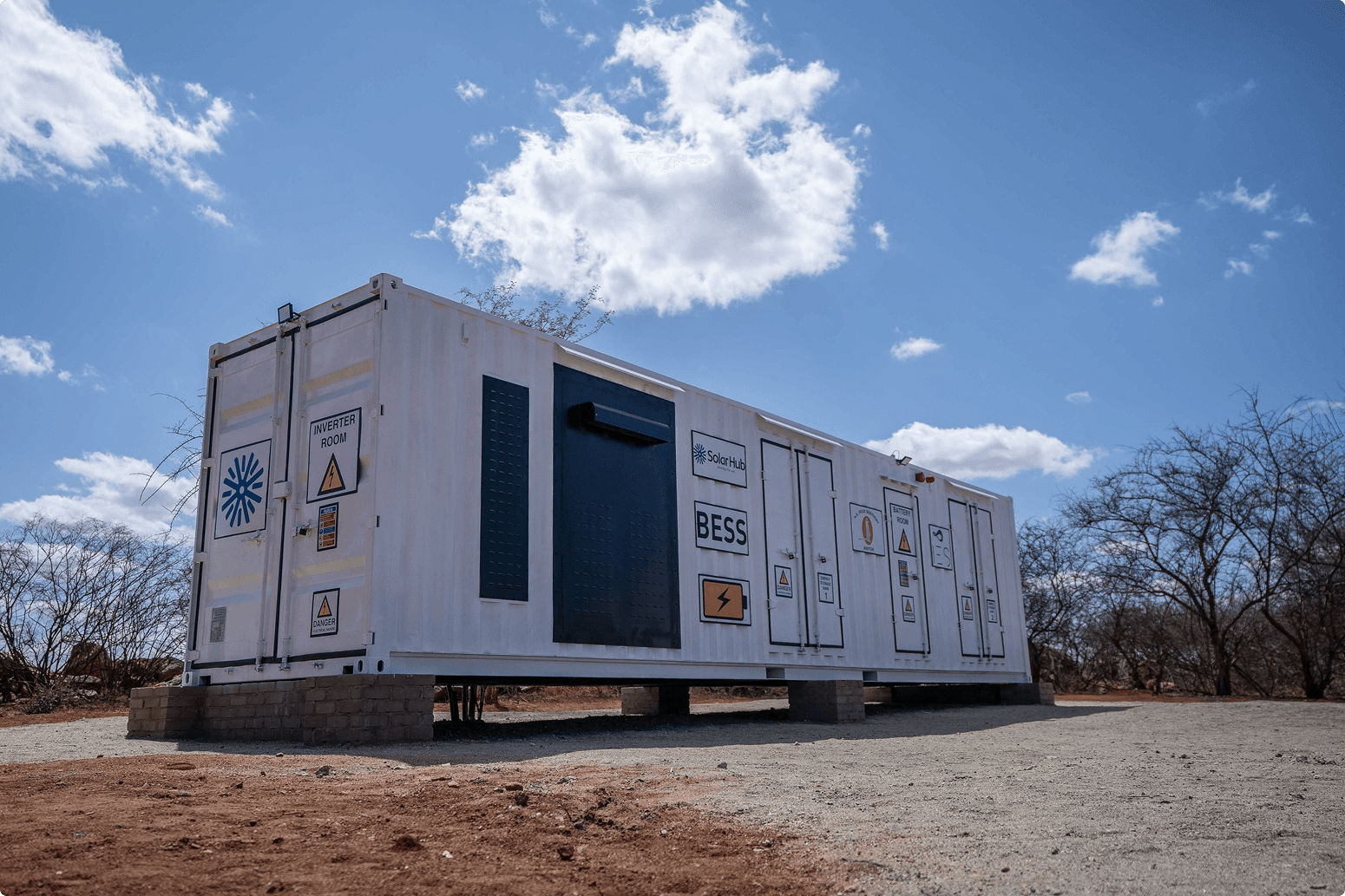
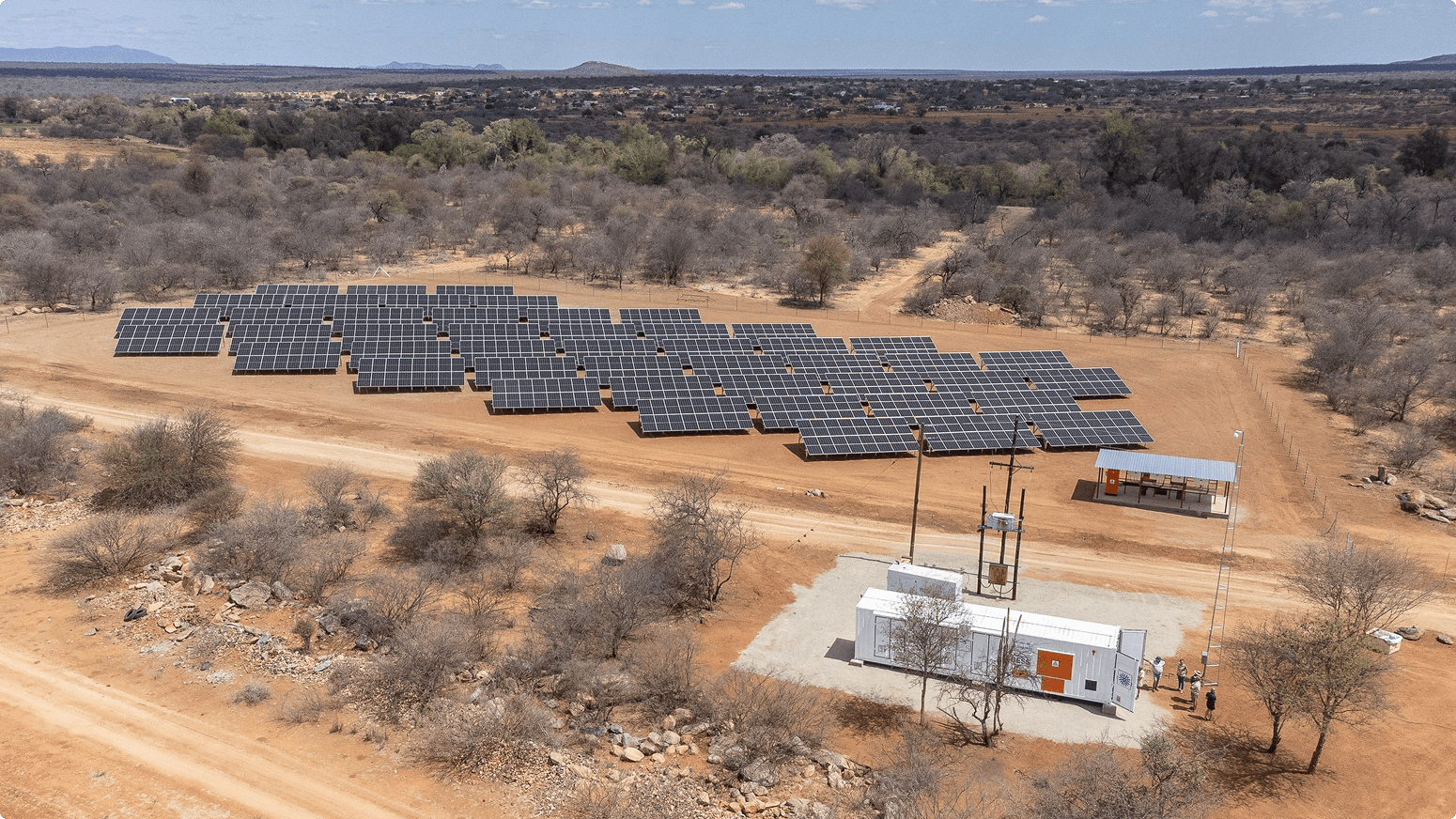
Stand-Alone Off-Grid & Mini-Grid Solutions
Total Energy Autonomy
How it Works: A localized power grid for remote sites (farms, mines, or lodges). It is physically disconnected from Eskom. It uses massive PV arrays and high-capacity battery banks.
SA Regulation: While you don't need SSEG registration for a purely off-grid site, you still require a NERSA registration letter for any plant above 100kW, even if not grid-connected.
Operational Logic:
Daily Cycle: Solar runs the site and fills batteries. At night, the site runs on the BESS.
Auto-Start: If the batteries hit a low "State of Charge" (SOC) during rainy weather, the system switches "On" a backup Diesel Generator via an ATS (Automatic Transfer Switch) to recharge.
Benefit: No monthly line-access fees; 100% protection from grid failure.
Cost: R40,000+ per kWp (requires 3-4 days of battery autonomy).
Energy Arbitrage & BESS Integration
The Tariff Arbitrator
How it Works: Strategic battery-only or battery-heavy systems. In South Africa, municipalities use Time-of-Use (ToU) tariffs. This system exploits those price differences.
Operational Logic:
Off-Peak (Cheap Power): Between 00:00 and 05:00, the system switches "On" to charge the batteries from the grid at the lowest rate.
Peak Hours (Expensive Power): During the morning and evening "Peak" windows (when rates can be 3x higher), the system switches "Off" the grid and runs your facility from the cheap stored energy.
Benefit: Squeezes profit out of the existing utility tariff structure without needing a single solar panel.
Cost: Variable (depends heavily on BESS size and cycles).
Peak Shaving & Demand Management
The kVA Penalty Reducer
How it Works: Designed for industrial clients on Demand Tariffs. If you hit a high 15-minute "Peak" in a month, your entire bill is penalized. This system "shaves" that peak.
Operational Logic:
Monitoring: The system tracks your grid meter in real-time.
The Shave: As soon as your demand nears your "Notified Maximum Demand" (NMD) limit, the battery discharges instantly to cover the surge. Your grid meter never sees the spike.
Benefit: Dramatically lowers monthly fixed demand charges; prevents "NMD Exceedance" fines from Eskom.
Cost: Moderate – High-power, high-discharge batteries (like LFP) are essential.
Project Feasibility & Yield Modeling
The NERSA & Engineering Audit"
How it Works: This is the professional "Paperwork and Planning" phase. We perform a SSEG Feasibility Study using local meteorological data and your specific municipal tariff.
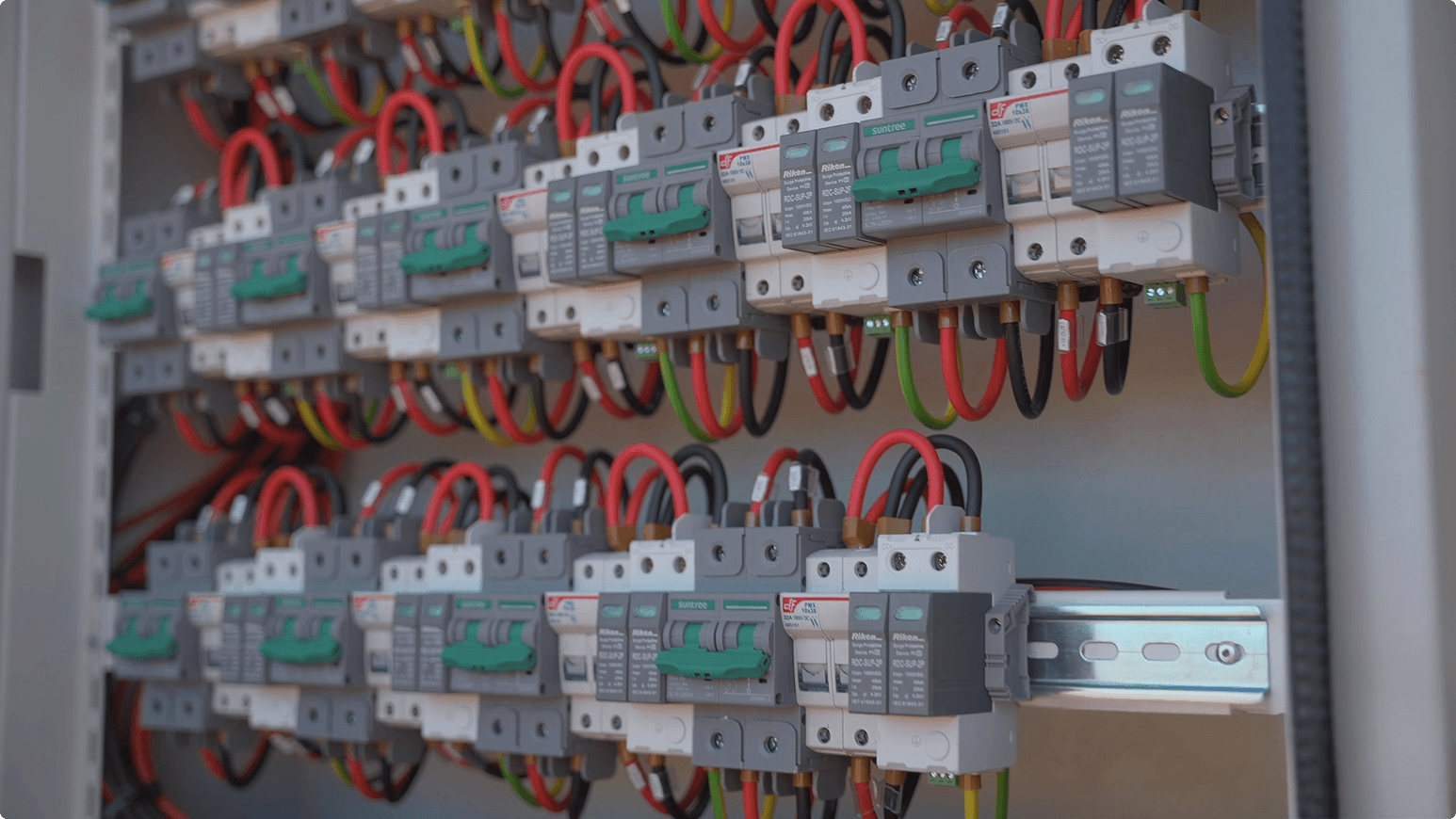
What you get: A full technical dossier including Single Line Diagrams (SLDs), professional sign-off by an ECSA-registered Engineer, and a NERSA registration roadmap.
Benefit: Essential for insurance and bank financing. It proves your project is a financial asset, not just an expense.
Ready to move forward
Book a free feasibility study and see what your operation could earn with solar.