Energy Arbitrage in South Africa: How to Make Money from Eskom's Tariff Structure

Energy arbitrage uses battery storage to buy cheap electricity and dispatch it at peak-price windows. South African businesses with solar BESS can dramatically cut costs and even generate revenue.

Energy arbitrage uses battery storage to buy cheap electricity and dispatch it at peak-price windows. South African businesses with solar BESS can dramatically cut costs — and even generate revenue.

Frans van Zyl

5 min read
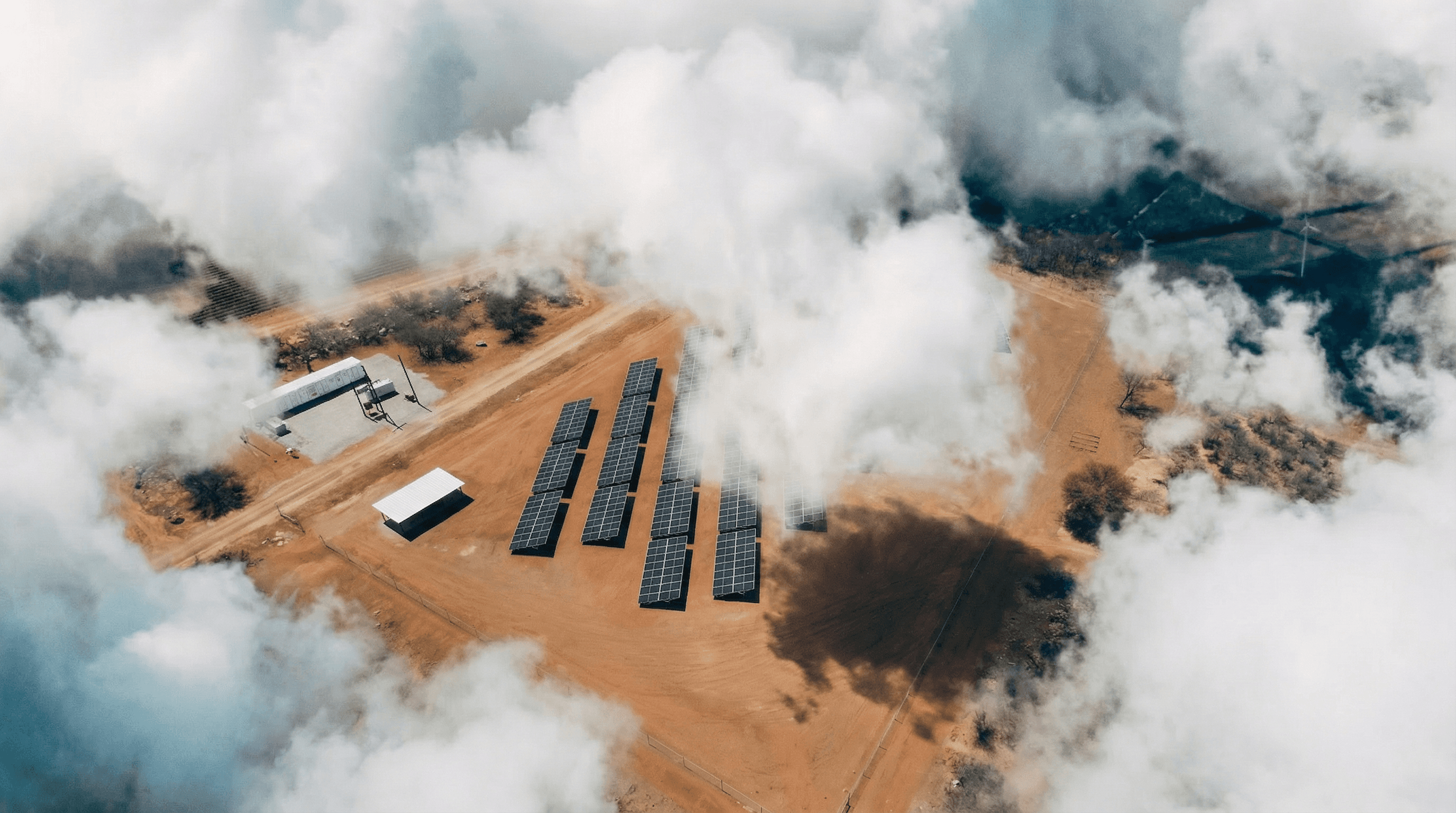
Energy arbitrage uses battery storage to buy cheap electricity and dispatch it at peak-price windows. South African businesses with solar BESS can dramatically cut costs — and even generate revenue.

Eskom's Time-of-Use Tariff Is a Wealth Transfer — to Those Who Understand It

South Africa's Megaflex and TOU tariff structures were designed to encourage businesses to shift their electricity use away from high-demand periods. In practice, most businesses simply pay peak rates because they have no alternative. Battery energy storage changes that equation completely.

Energy arbitrage is the practice of charging a battery when electricity is cheap and discharging it when electricity is expensive. On Eskom's TOU tariff, the spread between off-peak and peak pricing can be substantial — and for a business with 500 kWh of battery storage, that spread translates to thousands of rands in monthly savings.

How Energy Arbitrage Works with Solar BESS

A solar-plus-BESS system designed for arbitrage operates on a daily cycle. During daylight hours, solar panels generate electricity that powers your operations directly and charges the battery bank. If the battery is full before sunset, surplus solar can be fed back to the grid in markets with net metering arrangements.

In the evening, when Eskom's peak tariff applies and solar generation has ceased, the battery discharges — powering the building or facility from stored energy that cost a fraction of what peak-rate grid electricity would have. The control system handles this automatically, optimising dispatch based on live tariff data and your site's load profile.

The Revenue Dimension: Selling Back to the Grid

Where municipalities and grid agreements permit net metering, South African businesses can go further. By generating more solar energy than they consume and storing the excess intelligently, operations can sell power back to the grid during peak windows — turning their energy assets into a revenue line rather than just a cost reduction.

This model is particularly compelling for agricultural operations with large ground-mount arrays or commercial sites with significant rooftop capacity. SolarHub structures these arrangements as part of our off-site wheeling solutions, giving clients access to arbitrage revenue even where rooftop space is limited.

Real-World Impact for South African Businesses

Across our installed base, clients combining solar with BESS for arbitrage purposes are achieving additional energy cost reductions of up to 50 percent beyond the savings from solar alone. The compounding effect of eliminating peak tariff exposure, removing demand charges, and capturing arbitrage margins creates a return profile that typically delivers full investment payback within three to five years.

As Eskom continues its programme of above-inflation tariff increases, every year of delay is a year of compounding cost that businesses absorb unnecessarily.

  See what energy arbitrage could generate for your operation. Book a SolarHub feasibility study — it's free.

FAQ

Quick answers to common concerns

We provide clear answers to common questions helping clients understand our services easily.

Need extra guidance? Book your free personalized call now.

or email us at sales@solarhubsa.co.za

How does a PPA work?

A Power Purchase Agreement allows your business to install a solar plant with little or no upfront capital. An energy funder owns the system and sells electricity to you at a fixed, discounted rate, protecting you from Eskom tariff increases while lowering your energy costs from day one. can browse listings, schedule visits, and get expert guidance throughout the buying process with ease.

What is solar rental or energy leasing?

Can I manage rental properties with your platform?

Can I own my system?

Who monitors the solar plant after installation?

What happens if something goes wrong with the system?

Can the system be expanded in the future?

How long does SSEG registration take?

Will my system be Eskom compliant?

Do you provide operation and maintenance (O&M) services?

How long do solar panels and batteries last?

Do you provide after-sales support once the system is commissioned?

How often should a solar plant be serviced?

FAQ

Quick answers to common concerns

We provide clear answers to common questions helping clients understand our services easily.

Need extra guidance? Book your free personalized call now.

or email us at sales@solarhubsa.co.za

How does a PPA work?

A Power Purchase Agreement allows your business to install a solar plant with little or no upfront capital. An energy funder owns the system and sells electricity to you at a fixed, discounted rate, protecting you from Eskom tariff increases while lowering your energy costs from day one. can browse listings, schedule visits, and get expert guidance throughout the buying process with ease.

What is solar rental or energy leasing?

Can I manage rental properties with your platform?

Can I own my system?

Who monitors the solar plant after installation?

What happens if something goes wrong with the system?

Can the system be expanded in the future?

How long does SSEG registration take?

Will my system be Eskom compliant?

Do you provide operation and maintenance (O&M) services?

How long do solar panels and batteries last?

Do you provide after-sales support once the system is commissioned?

How often should a solar plant be serviced?

FAQ

Quick answers to common concerns

We provide clear answers to common questions helping clients understand our services easily.

Need extra guidance? Book your free personalized call now.

or email us at sales@solarhubsa.co.za

How does a PPA work?

A Power Purchase Agreement allows your business to install a solar plant with little or no upfront capital. An energy funder owns the system and sells electricity to you at a fixed, discounted rate, protecting you from Eskom tariff increases while lowering your energy costs from day one. can browse listings, schedule visits, and get expert guidance throughout the buying process with ease.

What is solar rental or energy leasing?

Can I manage rental properties with your platform?

Can I own my system?

Who monitors the solar plant after installation?

What happens if something goes wrong with the system?

Can the system be expanded in the future?

How long does SSEG registration take?

Will my system be Eskom compliant?

Do you provide operation and maintenance (O&M) services?

How long do solar panels and batteries last?

Do you provide after-sales support once the system is commissioned?

How often should a solar plant be serviced?